
The short answer
EliteAir Heating & Cooling serves Loyola, an unincorporated Santa Clara County community about 10 miles west of San Jose. We repair and install heating and cooling equipment, and we encourage a simple two-visit maintenance plan that suits the area's mild, dry-summer climate.
Loyola is a small unincorporated pocket of Santa Clara County roughly 10 miles west of our San Jose base, tucked between Los Altos, Los Altos Hills and the neighborhoods around them. Because it is not its own city, residents sometimes wonder whether service companies list it at all. EliteAir Heating & Cooling does. We look after furnaces, air conditioners, heat pumps and ductless systems in Loyola homes, and we put a lot of weight on keeping equipment healthy between breakdowns so surprise repairs become rare.
A maintenance calendar that fits the west valley
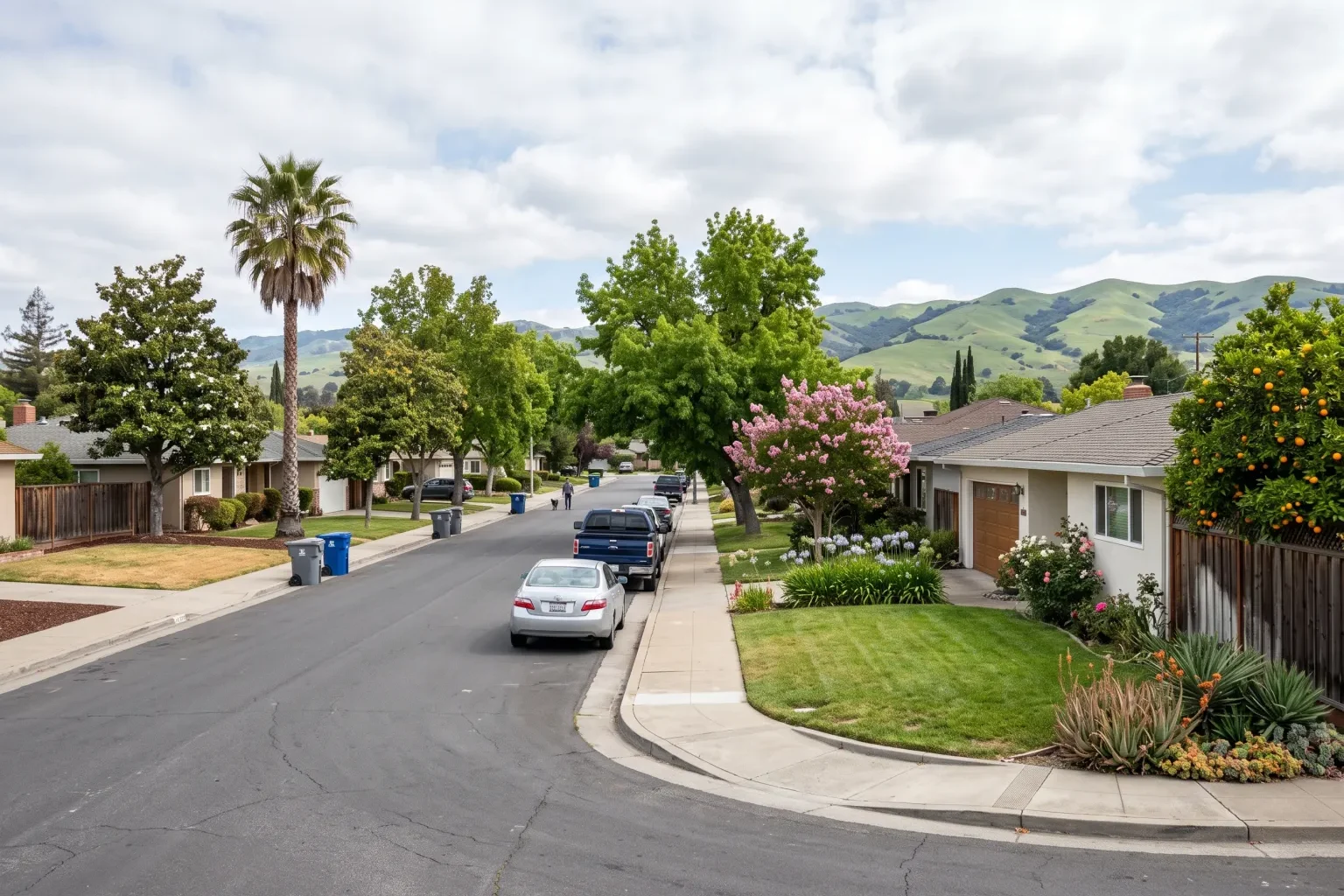
Loyola shares the Santa Clara Valley's Mediterranean pattern: long dry summers and mild, damp winters. Being on the western side, closer to the Bay than the hot inland and southern valley, it usually avoids the harshest heat. That moderate climate rewards a steady routine more than heroic repairs.
Here is the schedule we suggest for most homes:
- Late April or May: cooling check, including coil cleaning, refrigerant pressure readings, capacitor testing and a condensate drain flush
- Early summer: swap the filter once pollen season fades
- September or October: heating check covering burners, igniter, flame sensor, heat exchanger inspection and safety controls
- Midwinter: another filter change, and a quick look at the outdoor heat pump coil for ice or debris
- Any time: listen for new noises and note rooms that drift away from the set temperature
Repairs we handle regularly
Even well-kept equipment fails eventually. On the cooling side, the typical culprits are weak run capacitors, burned contactors, clogged condensate lines that trip a float switch, and slow refrigerant leaks at a brazed joint or coil. For heating, we see cracked igniters, dirty flame sensors, failing inducer motors and limit switches tripped by a choked filter.
Heat pumps add a few of their own, such as reversing valves that stick between modes or defrost controls that leave the outdoor coil iced. We diagnose with gauges and meters rather than swapping parts on hunches, and we explain the reading behind each recommendation.
Clues that equipment is nearing retirement
No calendar tells you exactly when to replace a system, but patterns do. If the same component keeps failing, if repairs are needed every season, or if the blower and compressor are noticeably louder than they used to be, the equipment is telling you something. Rising energy use without any change in habits is another hint, as is a system that runs nearly nonstop on days that used to be easy.
When we see those signs, we will say so and give you time to plan rather than waiting for a failure on the coldest night of the year. Planning ahead lets you compare options calmly, check incentives and schedule the work at a convenient time.
Upgrades worth weighing
If your system is aging, there is no single right answer. A like-for-like furnace and AC replacement keeps things familiar. A heat pump combines heating and cooling in one outdoor unit and suits Loyola's mild winters well. A ductless mini-split can serve one tricky room or an entire small home without ducts.
Rules matter here, but less than people fear. Bay Area Air District appliance rules apply only when a furnace or water heater fails or is replaced; they do not require removing working equipment. Under Rule 9-4, gas furnaces manufactured from 2029 must meet a zero-NOx standard, which effectively points later furnace replacements toward heat pumps. For water heaters, the Rule 9-6 zero-NOx date was set for 2027, and the Air District Board is considering amendments in November 2026 that could push it back, so check the current rule before planning that project.
For incentives, look at BayREN and your local clean energy provider. Offers shift with each funding cycle, and we verify the active one before quoting it.
Ducts and indoor air
Ductwork in older west-valley homes often runs through attics and crawlspaces where it has been baked in summer and dampened in winter for years. Separated joints and crushed flex duct reduce airflow and pull in dust. Sealing and, where needed, cleaning the ducts, combined with a filter matched to your blower, is the most direct way to improve air quality in the house.
Our nearby service area
Loyola visits often share a day with work in Los Altos, Los Altos Hills, Mountain View, Cupertino and Sunnyvale. That keeps appointment windows reasonable even though Loyola is a small community without its own city services.