
The short answer
A new AC in Los Altos should be sized from a room-by-room load calculation, not from the old unit's label, because the city's milder Bay-side climate makes oversizing a common mistake. We also check ducts, electrical capacity and outdoor unit placement before recommending equipment.
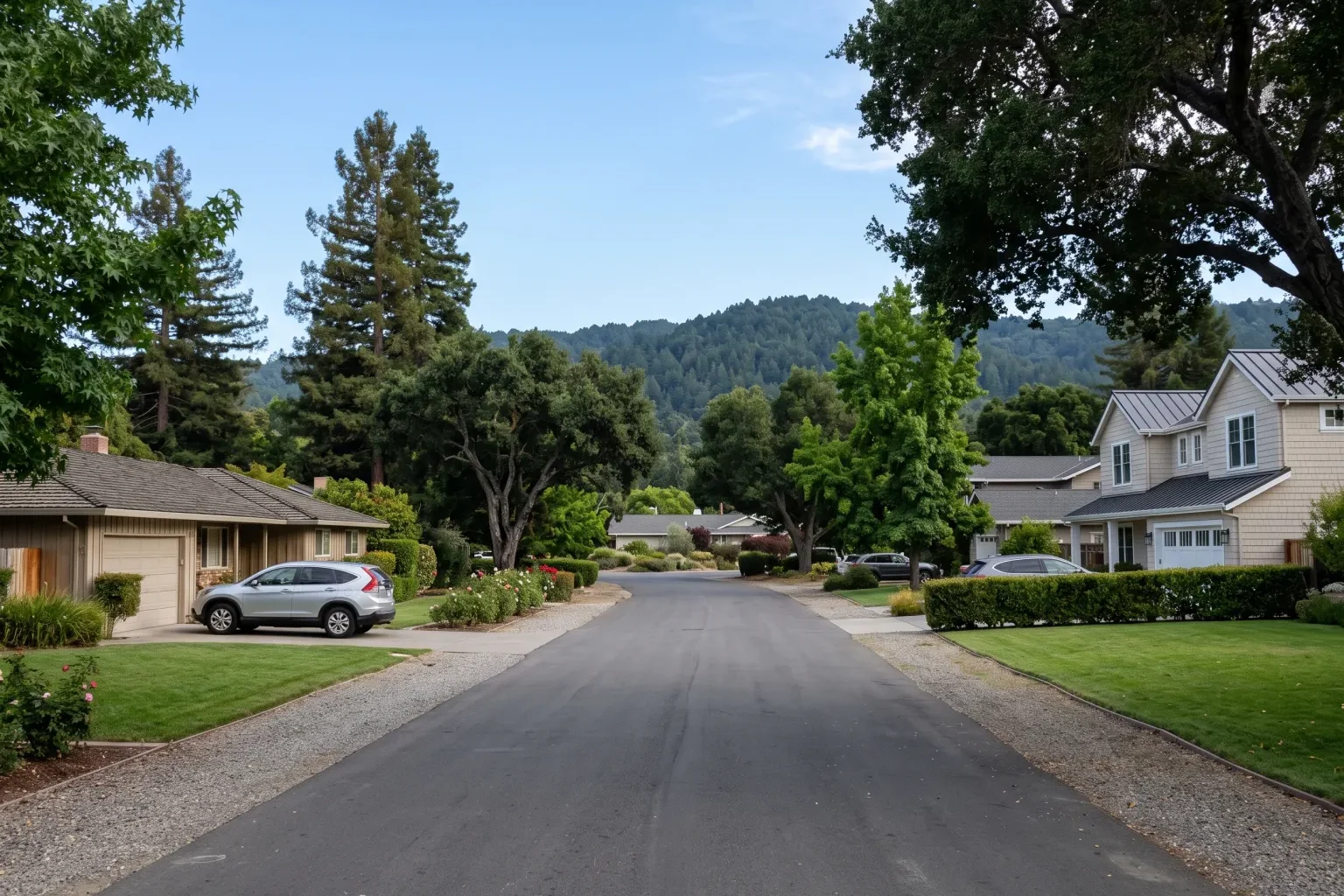
Los Altos sits on the west side of the Santa Clara Valley, about 11 miles from our San Jose shop, close enough to the Bay that many summer afternoons stay comfortable while a few heat spells each year push indoor temperatures well past what open windows can handle. That pattern shapes how a new air conditioner should be chosen here. A unit sized for Fresno-style heat will short-cycle through most of the season, leave rooms clammy and wear out early. EliteAir Heating & Cooling plans each Los Altos installation around the actual house in 94024: its insulation, window exposure, attic space, existing ducts and the way the family uses each room.
Why sizing matters more in a mild-summer city
Cooling equipment is rated by capacity, and the instinct is to buy more than enough. In Los Altos that instinct backfires. On a typical warm day the load on the house is modest, so an oversized condenser reaches the thermostat setting in a few minutes, shuts off, and starts again shortly after. Those short runs never remove much moisture from the air, they stress the compressor with constant starts, and they leave the rooms farthest from the air handler warmer than the hallway where the thermostat hangs.
We start with a Manual J style load calculation. It accounts for square footage, ceiling height, insulation levels, glass area and which direction the big windows face. A west-facing living room with sliding doors behaves very differently from a shaded bedroom wing, and the numbers show it. The result is a capacity target and a clear picture of which rooms will need more airflow than others.
Checking the house before choosing equipment
Plenty of Los Altos homes were built decades before central air was common, and many got cooling added later through ducts originally designed only for heat. Those ducts are often too small for the larger airflow a cooling system needs, and older flex runs in the attic may be crushed, disconnected or poorly sealed. Installing a new condenser on top of that ductwork wastes much of what the new equipment can do.
During the site visit we look at the pieces that decide whether an installation will actually work well:
- Duct sizing, condition and sealing at every accessible joint and register boot
- Return air paths, since a single small return can starve a new system of air
- Electrical panel capacity and the circuit feeding the outdoor unit
- Attic or closet space for the indoor coil and air handler
- A level, accessible spot for the condenser with room for airflow and service
- Setback from bedrooms and property lines so the outdoor unit does not disturb anyone
Central AC or a heat pump?
Many homeowners who call about a new air conditioner also have a gas furnace approaching the end of its life. That combination is worth a conversation. A heat pump looks almost identical to a central AC outdoors, cools the same way, and also heats the house in winter. Under Bay Area Air District Rule 9-4, natural gas furnaces manufactured from 2029 must meet a zero-NOx standard, which in practice points toward heat pumps when a furnace is replaced after that date. The rules do not force anyone to remove working equipment, so keeping a healthy furnace and adding a standard AC is still a reasonable choice.
We lay out both paths side by side: a conventional condenser paired with your current furnace, or a heat pump that handles both seasons. For incentives, BayREN and your local clean energy provider publish current heat pump offers, and those change by funding cycle, so we confirm what is available at the time of your project. The federal 25C credit for heat pumps applied only to equipment placed in service before December 31, 2025, and it no longer covers new installations.
What installation day looks like
Most Los Altos replacements in an existing duct system take one full working day, while a home getting ducts for the first time takes longer. The crew protects floors along the path to the attic or closet, disconnects and recovers refrigerant from the old system, and removes the old equipment from the property.
The new indoor coil and air handler go in first, followed by the outdoor unit on a level pad. Refrigerant lines are brazed, pressure tested and pulled into a deep vacuum before the system is charged. We then measure airflow, temperature split and refrigerant levels under real operating conditions rather than relying on factory defaults. Before we leave, you get a walkthrough of the thermostat, the filter location and the schedule for changing it.
Serving Los Altos and nearby neighborhoods
Our technicians cover all of 94024 and regularly work in the surrounding communities, including Los Altos Hills, Mountain View, Sunnyvale, Cupertino and Santa Clara. Because each of those areas has its own mix of housing ages and lot sizes, we never treat a quote from one street as a template for another. Every estimate starts with a visit to your home and ends with a written scope that explains the equipment, the duct work involved and anything the city permit process will require.
More services in Los Altos
- AC Repair in Los Altos
- Heating Repair in Los Altos
- Heat Pump Installation in Los Altos
- Furnace Repair in Los Altos